Cinderia Build Guides

Use these build paths as practical starting points, not rigid scripts. The goal is cleaner decision-making, better pivots, and safer wins.

Last updated: April 2, 2026 • Reworked with current beginner, build, and progression research.
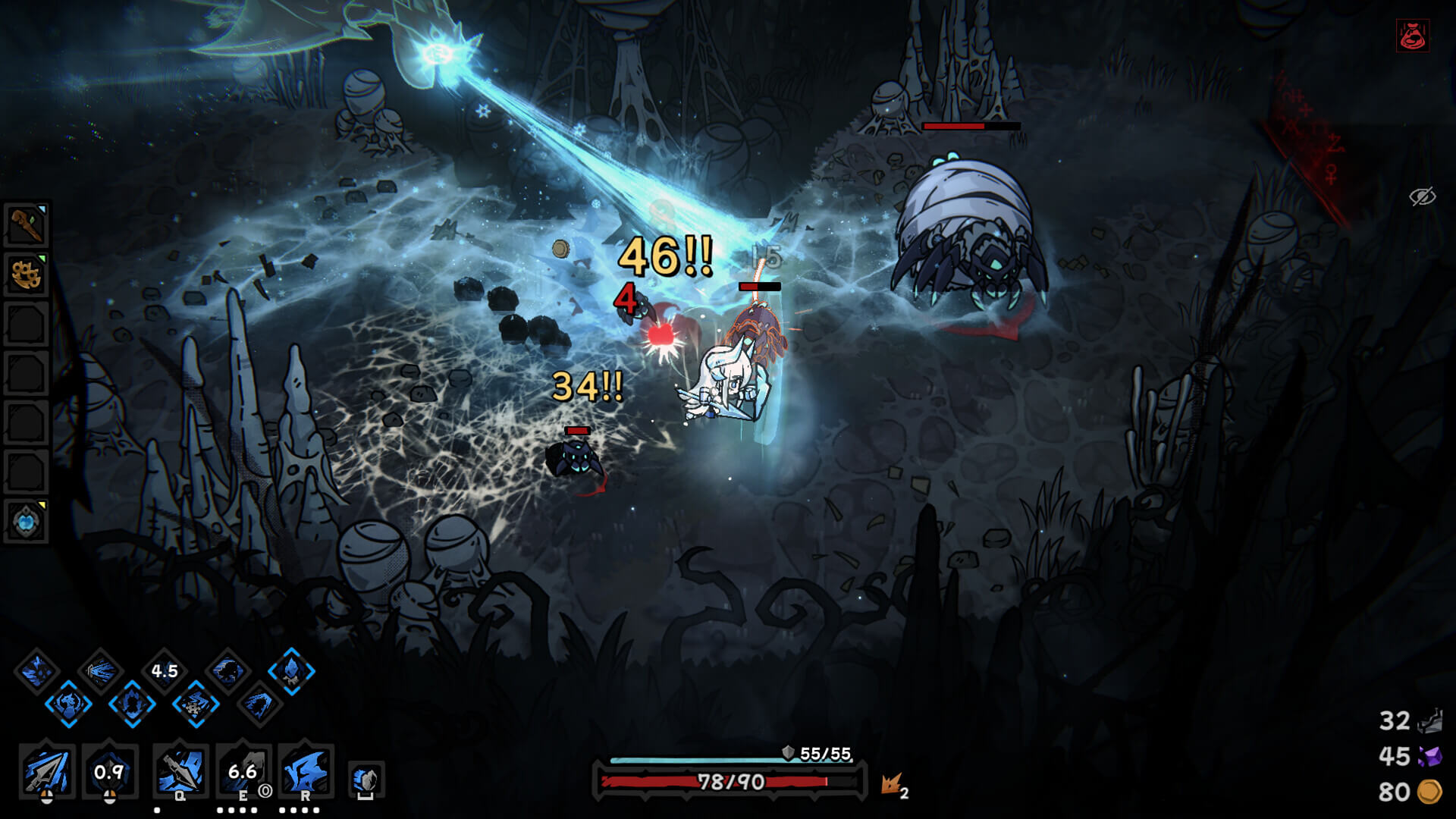
Cinderia frost-themed combat screenshot showing a build-focused combat setup.

What Makes a Build Good in Real Runs

The best build is not the one with the most exciting tooltip. It is the build that keeps dealing useful damage when the room gets chaotic, the boss stops cooperating, and your own execution is less than perfect.

That is why the strongest early paths usually start with uptime, movement, and clear synergy before they start chasing maximum damage.

How to Read a Build Guide Properly

Use build guides as a decision filter rather than a checklist that must be completed exactly.

  • Commit to a combat identity before stacking random power.
  • Judge every upgrade by whether it helps your main loop actually function.
  • Leave room to pivot if the run offers a cleaner direction than your original plan.

The Best First Build Path to Learn

For most new players, the safest first path is a fast Rue build that values dash safety, consistent follow-up, and low-friction damage. It teaches positioning, timing, and commitment without requiring every room roll to be perfect.

Start with uptime

Damage that applies often is more valuable than damage that only works inside one fragile setup.

Preserve movement

Do not trade away clean repositioning just to gain a slightly higher damage ceiling.

Keep one flex angle

Leave space for a defensive patch, crowd-control layer, or boss answer if the run needs it later.

Build Paths Worth Learning First

These are the archetypes most worth understanding early because they teach useful run logic and remain practical even when your drops are not ideal.

Rue: Shadow Poison

Who it fits: Best for first clears and players who want fast pressure without needing perfect execution.

Core loop: Enter with a short dash, apply repeatable ranged or close pressure, then keep enemies bleeding down while you reposition for the next safe window.

  • Prioritize upgrades that reward dash entries, shadow follow-up, or steady damage-over-time pressure.
  • Look for accessories that improve crit rhythm, survivability, or repeated cooldown cycling instead of one narrow burst window.
  • Skip off-plan high-Erosion pickups if they do not strengthen your main loop.

Rue: Lightning Control

Who it fits: Best for players who prefer cleaner room control and stronger crowd handling over pure single-target greed.

Core loop: Chain enemies together, create repeated shock windows, and let safe spacing do part of the work while you keep the room organized.

  • Take control skills that hit multiple enemies or reward consistent weapon contact.
  • Value items that support lightning uptime, stun pressure, or reliable mid-range play.
  • Do not overbuild for boss burst if the run still struggles to survive mixed rooms.

Valkyrie: Frost Control

Who it fits: Best for players who like deliberate tempo, stronger safety, and better punishment on predictable boss windows.

Core loop: Use freeze or slow effects to control space, then cash in during the short moments when the boss or room pack loses tempo.

  • Choose effects that reinforce spear spacing, frost application, and repeatable punish windows.
  • Protect mobility and cooldown flow so the build does not become too rigid.
  • Favor gear that helps you keep pressure on frozen targets rather than random stat spikes.

Forest Princess: Summon Sustain

Who it fits: Best for longer fights and players willing to build around scaling, pets, and slower setup.

Core loop: Create a stable frontline with summons, then use your own actions to support uptime, reset pressure, and keep the fight from collapsing during downtime.

  • Take summon-friendly upgrades, duration support, and cooldown help before chasing flashy extras.
  • Use gear that keeps companions active more often or reduces the cost of longer fights.
  • Avoid forcing this build if the run never offers enough summon support to make the setup worth it.

What to Do When the Run Misses Your Target Build

A failed build is often just a build that needed to pivot earlier. If your target path is not appearing, the answer is usually to stabilize first and convert later.

Salvage the engine

If the damage package is incomplete, keep the mobility or survivability pieces that already work.

Respect Erosion

Do not pay curse cost for upgrades that still leave your main loop half-finished.

Switch by function

Pivot into another build that uses the same strengths, such as speed, control, or summons, instead of rebuilding from zero.

Common Build Mistakes

Most broken runs fail for predictable reasons: too many disconnected payoff tools, too little mobility, or a greedy chase for rarity that never turns into a coherent combat plan.

If a new pickup does not make your next room or next boss easier to play, it may be weaker than it looks.

How to Test Whether a Build Is Working

Ask three questions after each region: can this build clear mixed rooms without panic, can it keep damage on bosses without overcommitting, and can it recover from mistakes without instantly collapsing?

Build FAQ

Short answers for the players who want direction without turning every run into a spreadsheet.

What is the best beginner build in Cinderia?

The safest beginner build is usually a Rue path built around mobility, repeatable pressure, and easy-to-read damage windows. Stable execution beats theoretical ceiling.

Should I force one build every run?

No. Strong runs usually start with a direction, then pivot when the game offers a cleaner or safer version of that plan. Commitment matters, but stubbornness still loses runs.

When should I abandon a build idea?

Abandon it when the run still lacks the support pieces that make the archetype function. If your core loop is missing and Erosion is climbing, a pivot is usually healthier than forcing the dream.

Where to Go Next

Builds become much easier to pilot when you connect them to route planning, gear fit, and character comfort.