Cinderia Beginner Guide

This guide is for players starting Cinderia for the first time or still struggling to stabilize early runs.

Last updated: April 2, 2026 • Expanded with shelter priorities, mystery room routing, and accessory management notes.
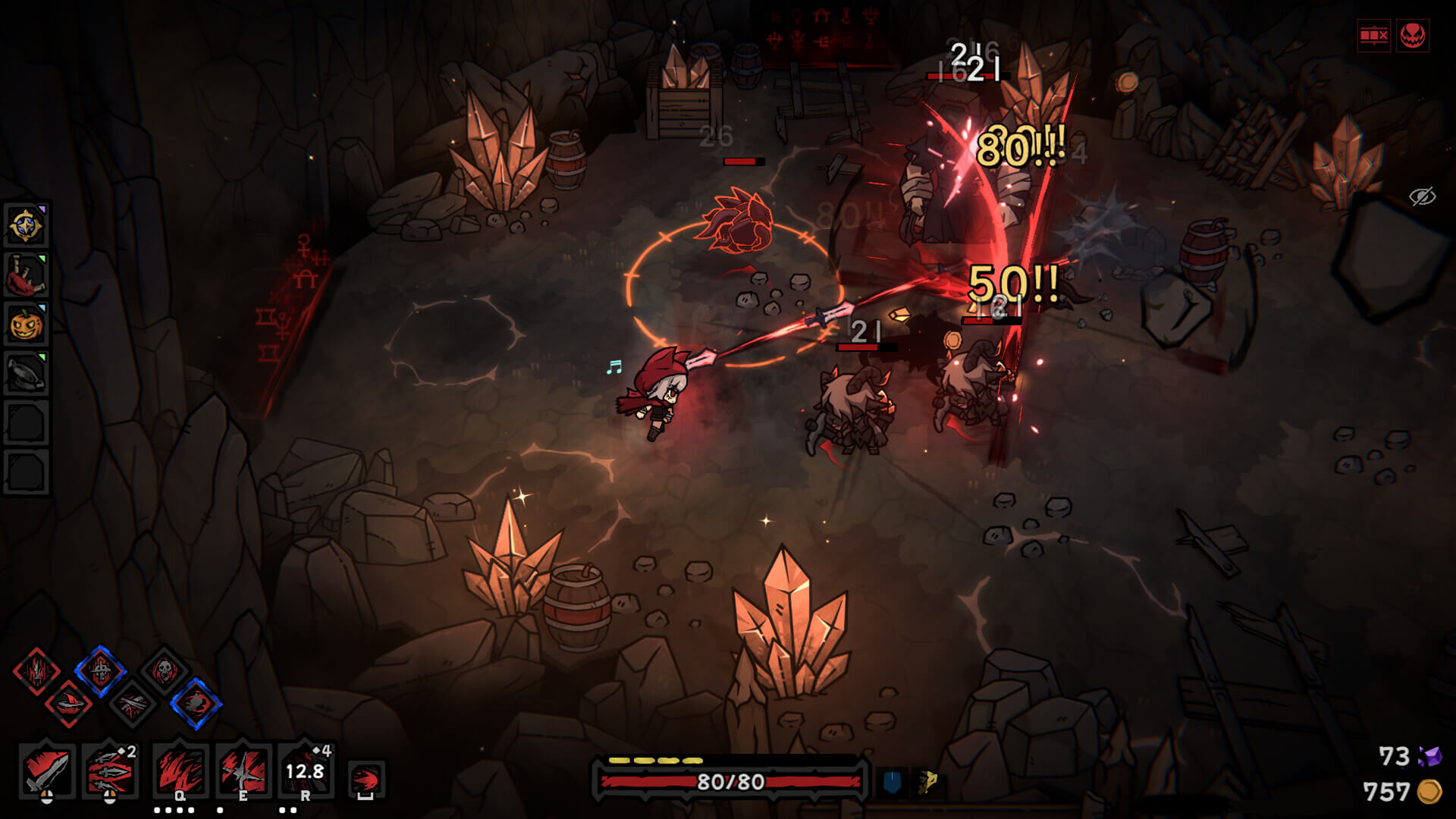
Cinderia combat screenshot showing Rue attacking a cluster of enemies in a cave room.

How to Start Your First Cinderia Run

Your first runs should be about learning structure, not forcing complexity. Focus on clean movement, understanding what your early choices actually do, and recognizing when a pick makes your build more stable rather than just more exciting.

A good first run is not necessarily a winning run. It is a run where your decisions start making sense and your mistakes become easier to diagnose.

Best Beginner Character and Why

For most players, the best beginner direction is the hero with the clearest combat rhythm and the lowest punishment for imperfect execution.

  • Choose a hero that teaches movement and timing cleanly.
  • Prefer stable early pressure over fragile high-ceiling setups.
  • Let the first few runs teach systems before chasing complex combos.

A Safe First Build Path

The safest first build path is one that improves consistency first. Prioritize options that make movement more reliable, damage easier to apply, and the run less dependent on a perfect chain of upgrades.

Stabilize movement

Reliable movement creates more real progress than a flashy damage spike you cannot apply under pressure.

Prefer coherent choices

Commit to a build identity early enough that later picks reinforce each other instead of pulling in different directions.

Protect survivability

Bosses punish greedy runs harder than stable ones, especially when the build has no margin for mistakes.

What to Do in Your First Hour

New players improve faster when they follow a simple structure instead of improvising every decision from scratch.

Step 1

Pick the hero with the clearest rhythm instead of the hero with the highest apparent ceiling.

Step 2

Use the first rooms to learn movement timing, dash safety, and damage windows before forcing build complexity.

Step 3

Favor stable picks that improve uptime, survivability, or mobility over disconnected spikes in power.

Step 4

Treat Erosion as a cost filter from the start, not as something to worry about only after the run already feels risky.

Shelter Priorities That Matter Early

Returning to the shelter is not just downtime. It is where many new players quietly set up the next several runs to go better.

Unlock more dash value early

Once the shelter prayer tree opens, extra dash power is one of the best first investments because it improves survival, spacing, and damage uptime at the same time.

Get the forge online quickly

Helping the smith and building out the shelter matters because more long-term run support opens from there. It is one of the cleanest ways to turn early exploration into future power.

Check for new hero swaps

New playable characters can be easy to miss if you immediately queue another run. Talk to newly arrived shelter residents after meaningful progress and see whether a swap option appears.

Early Mistakes That End Runs

Most failed early runs come from the same habits: overvaluing flashy damage, ignoring survivability, misunderstanding how much risk the build can absorb, or taking options that do not actually connect into a coherent direction.

Cinderia rewards experimentation, but it punishes random accumulation. If a pick does not strengthen your current identity or solve a real weakness, it may be weaker than it looks.

How Erosion Works for New Players

Erosion is one of the game's most important decision filters. It turns raw power into a longer-term tradeoff, which means strong players do not just ask whether an option is powerful. They ask whether the current run can afford the cost attached to that power.

What to Upgrade First

In the early game, upgrades that improve run stability usually outperform greedier choices. Better movement, safer survivability, or stronger baseline consistency often create more real progress than narrow high-ceiling picks.

If two options look similar in power, take the one that keeps your build easier to pilot. Your first real goal is not maximum damage. It is a run that remains playable when the next boss or room pattern goes badly.

Practical Details New Players Often Miss

Some of the most useful early knowledge is not flashy. It is the quiet system detail that keeps a run from drifting into avoidable mistakes.

Mystery rooms often fix weak runs

After they begin appearing, mystery rooms are frequently worth the detour because they can offer healing, curse cleanup, or other build-repair tools you may need more than another routine reward.

Skill position can be part of your build

Some accessories and modifiers care about which skill slot is occupied, so reordering your skills can be a power decision rather than just a comfort setting.

Treat spare accessories as upgrade fuel

Accessories are flexible. If a piece no longer fits the run, breaking it down to strengthen better gear is often smarter than hoarding it.

Beginner FAQ

Short answers to the questions that usually appear once the first few runs start going wrong.

What is the best beginner build in Cinderia?

The best beginner build is usually the one that gives you reliable movement, stable damage, and enough survivability to survive mistakes. Consistency beats greed in early runs.

What should I upgrade first in Cinderia?

Prioritize upgrades that stabilize the run first. Improvements to movement, survivability, or dependable combat flow usually create more progress than narrow high-ceiling damage picks.

Is Cinderia hard for new players?

It can be demanding early, especially when players overcommit to risky upgrades or ignore survivability. The game gets much easier once your choices start forming a clear run identity.

Where to Go Next

Once your early runs feel more stable, move into the systems that shape stronger builds.