Cinderia Skills Guide

Understand which skill types matter, how synergies form around them, and what separates a flashy option from a genuinely useful one.

Last updated: April 1, 2026 • Reviewed for the current Early Access version and public patch information.
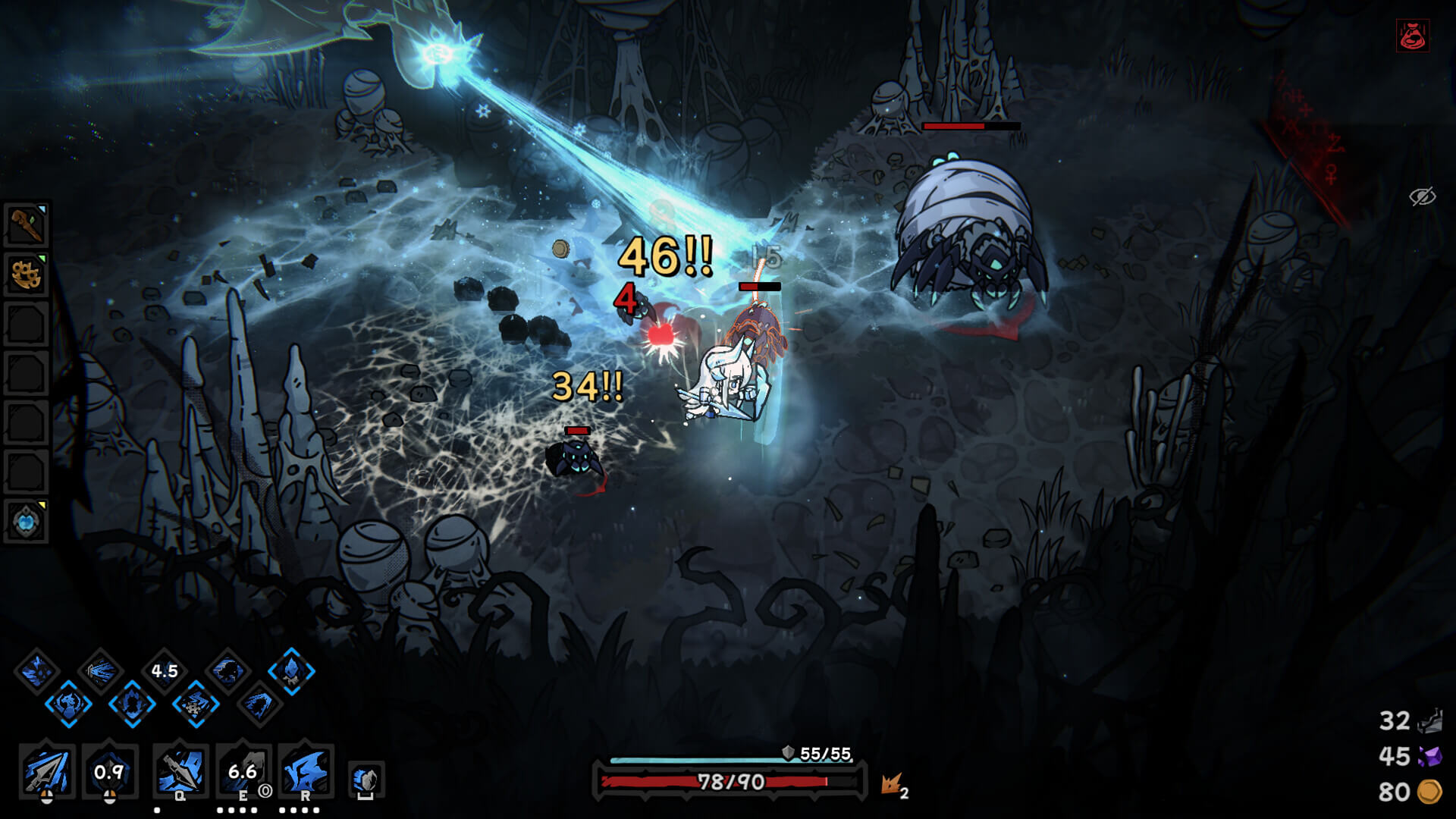
Cinderia frost combat screenshot highlighting skill effects, enemies, and active ability icons.

How Skills Work in Cinderia

Skills are not just isolated buttons. Their value depends on rhythm, compatibility, and what the rest of the run is already doing.

Some skills improve consistency, some create burst windows, and others only become strong when the build around them is already stable.

Main Skill Types and What They Do

A useful skills guide should show players how to think in categories instead of drowning them in disconnected names.

  • Mobility tools improve safety and timing windows.
  • Setup tools create later payoff, but need support.
  • Damage converters matter when they solve a real weakness.

What Makes a Skill Good in a Real Run

The best skills are not always the ones with the flashiest wording. In real runs, a good skill is one that solves a real problem for the build: weak damage application, poor uptime, low survivability, weak mobility, or unreliable boss pressure.

Early Skill Synergies to Understand

Early synergies matter because they create direction. A run feels much stronger when the first meaningful choices point toward the same combat pattern instead of pulling the player into disconnected mini-combos.

The Skill Roles That Matter Most

One of the fastest ways to improve your picks is to stop reading skills as isolated moves and start reading them as jobs inside a build.

Mobility tools

These protect positioning, preserve uptime, and often matter more than raw damage text when the build reaches harder rooms or boss patterns.

Setup skills

Setup tools create later payoff, but only when the rest of the build actually supports that payoff. On their own they can feel weaker than they read.

Payoff skills

These are the effects players usually get excited about, but they are only as strong as the support, uptime, and survivability around them.

Beginner-Friendly Skill Patterns

Beginner players generally improve faster with skill patterns that are easy to apply under pressure.

  • Prefer understandable triggers over fragile setups.
  • Reliable tempo usually beats pure ceiling.
  • Stable damage creates more useful learning than forced combos.

Skill Mistakes That Break Builds

Builds break when players treat every strong-looking skill as a free upgrade or when they add payoff effects without the support those effects actually require.

  • Do not overload a run with disconnected roles.
  • Do not chase “best skill” lists without context.
  • Do not ignore boss reliability when evaluating damage tools.

Skills FAQ

Use these answers as a shortcut when a run gives you several strong-looking choices at once.

What are the best skills in Cinderia?

The best skills are the ones that solve the biggest problem in your current run. A flashy damage tool is weaker than a quieter skill that actually stabilizes uptime, movement, or boss pressure.

How do skill synergies work in Cinderia?

Skill synergies form when multiple picks reinforce the same combat pattern. Good runs stack compatible roles instead of collecting disconnected strong-looking effects.

Should beginners chase complex skill combos?

Usually no. Beginners improve faster by using clearer, more reliable patterns first and adding complexity only after the run's basic rhythm is already stable.

Where to Go Next

Skills become easier to evaluate when you pair them with the right hero, gear, and fight context.