Cinderia Walkthrough

This page focuses on real progression: first-run routing, shelter priorities, mystery room value, and how to stop repeating the same loss pattern.

Last updated: April 2, 2026 • Rebuilt around current progression notes and beginner research.
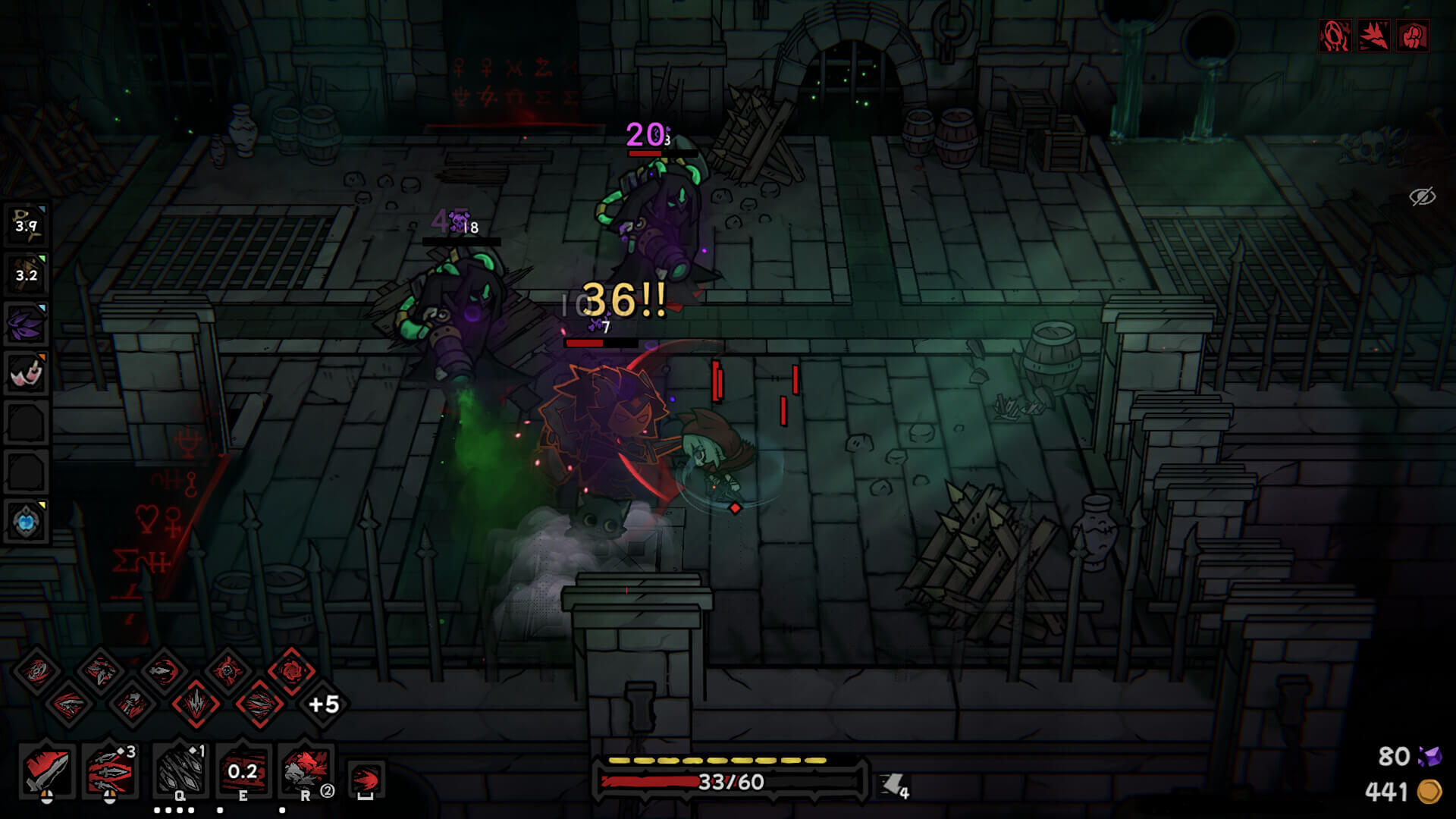
Cinderia dungeon screenshot showing a player progressing through a dangerous route.

How to Use This Walkthrough

This is not a room-by-room script. Cinderia changes too much run to run for that to be useful. Instead, this walkthrough shows the repeatable decisions that make early progress more consistent.

Think of it as a route logic page: what to prioritize first, what systems matter after the shelter opens up, and how to recover when the same part of the game keeps ending your run.

What Progression Actually Depends On

Most early clears come from stable habits more than from flashy luck.

  • Keep your first build easy to pilot.
  • Use shelter progression to fix mobility and consistency.
  • Route toward repair tools when your run is already under pressure.

The Four-Step Flow That Gets New Players Farther

The opening hours become much easier once you stop improvising every choice and start following a stable rhythm.

Step 1: Use the first run to learn pace

Your opening goal is not perfection. Learn how your hero moves, how safe your dash timing feels, and which attacks can be applied without freezing in place.

Step 2: Lock in a simple direction early

Choose a small number of upgrades that already work together, then stop scattering your picks across unrelated payoffs. A clean half-build is better than a messy pile of good text.

Step 3: Watch Erosion before it watches you

Do not wait until the run is already cursed to think about cost. Treat each high-power pickup as a question: does this help enough right now to justify the added risk?

Step 4: Enter boss arenas with a plan

Before every major fight, check whether your build still has mobility, reliable damage windows, and enough recovery to survive a mistake. If not, route for safety first.

What to Do After Returning to the Shelter

The shelter is where many early runs are quietly won. If you spend meta-progression well, your next attempts become noticeably easier to stabilize.

Unlock extra mobility first

Once the shelter prayer upgrades become available, extra dash value is one of the strongest early purchases because it protects offense, defense, and route recovery at the same time.

Invest in the forge and shelter growth

The smith side of progression matters because it opens more of the hub's long-term support systems. That means stronger future runs, not just one better room right now.

Check for new playable allies

Roster growth can be easy to miss if you only restart runs. After major progress, talk to new shelter residents and check whether a swap option has opened.

Why Mystery Rooms Matter

Once mystery doors enter your route pool, they become some of the most valuable detours in the game. They often solve the exact problems that kill developing runs: too much curse pressure, poor health, or a build that needs repair instead of more raw power.

How Accessories Change the Route

Accessories are more flexible than permanent run skills, which means they can be dismantled, upgraded, and repositioned around your actual needs. That makes them a strong recovery tool when your core build is mostly set but still missing support.

How to Break a Losing Streak

Getting stuck usually means one of your habits is repeating, too. Use these resets to diagnose the real problem before another run ends the same way.

Losing to the same boss

Cut one greedy layer from your build and replace it with movement, uptime, or survivability. Most repeat boss losses come from fragility, not from missing one more damage upgrade.

Runs dying before bosses

This usually means your room control is the problem. Shift toward crowd handling, easier triggers, and better recovery between fights instead of pure boss theorycraft.

Erosion snowballing too fast

Take fewer flashy detours. Mystery rooms, curse relief, and practical upgrades often create more progress than another high-cost damage spike.

Boss-Ready Checklist

Before stepping into a major fight, make sure the run still has the basics.

  • At least one clean way to reposition without panic.
  • Damage that can be applied on demand, not only during a dream setup.
  • Enough survivability that one mistake does not end the whole attempt.

When to Slow Down the Route

If your build feels scattered, your health is under control only in easy rooms, or your Erosion cost is already uncomfortable, route for repair. A slower healthy run is better than a fast dead one.

Walkthrough FAQ

Short answers for the progression questions that come up once the first few runs stop being random.

What should I do after my first death in Cinderia?

Spend your first shelter progress on upgrades that improve movement and run stability, then check whether any new NPC systems or character swaps have unlocked.

Are mystery rooms worth taking in Cinderia?

Usually yes. Once they appear, mystery rooms often provide healing, curse relief, or build-repair value that is stronger than a routine room reward.

What if my run keeps falling apart before the next boss?

Simplify your build. Stronger room control, cleaner uptime, and better survivability usually fix repeated failures faster than chasing one perfect damage combo.

Where to Go Next

Once your route is cleaner, the next step is choosing the build and character that make the most of it.